Preparing for Night Driving: Why It’s an Essential Part of Lessons in Pakenham
Learning to drive during the day feels challenging enough. Add darkness, glare, and tired eyes, and it becomes a different experience altogether.
That is why night driving practice is so important for learner drivers in Victoria.
Many students taking Driving Lessons in Pakenham are surprised to learn how different the road feels after sunset. It is quieter in some areas, busier in others, and visibility changes quickly.
If you want to become a confident and safe driver, night driving should not be skipped.

Why Night Driving Feels Different
Driving at night reduces visibility. You cannot see as far ahead, and depth perception can be affected.
Streetlights help, but they do not replace daylight. Country roads around Pakenham and nearby areas can be especially dark.
Glare is another issue. Headlights from oncoming cars can temporarily blind you. Even bright shop signs or wet roads reflecting light can be distracting.
Your reaction time matters more at night. You need to scan the road carefully and stay alert.
The Importance of Night Driving Practice
Night driving is not just about ticking a box in your learner logbook. It builds real-world driving skills.
Learners who only practise during the day may feel nervous the first time they drive after dark. Confidence comes from experience.
Professional instructors teach you how to manage speed, control the vehicle, and respond safely to unexpected hazards. This includes pedestrians, cyclists, and wildlife that may be harder to see.
Learning these skills in a structured lesson makes a big difference.
Common Night Driving Challenges in Pakenham
Pakenham has a mix of residential streets, busy main roads, and semi-rural areas. Each presents unique challenges at night.
On Princes Highway and other major roads, traffic can still be heavy in the evening. You must judge gaps safely and handle bright headlights from multiple directions.
In quieter streets, visibility drops. Parked cars, sharp turns, and limited lighting require careful observation.
In nearby rural areas, wildlife such as kangaroos can appear suddenly. This is not the time to panic brake. It is the time to stay calm and controlled.
What You Learn During Night Lessons
Night driving lessons focus on awareness and preparation. Your instructor will guide you step by step.
You will learn how to:
Adjust mirrors to reduce glare
Use high beams correctly and legally
Maintain safe following distance
Control speed in low-light conditions
Identify hazards earlier
You will also practise smooth braking and steering. Sudden movements are riskier when visibility is reduced.
Instructors also teach you to manage fatigue. If you feel tired, your concentration drops. That is when mistakes happen.
Safety Tips for Night Driving
Even outside formal lessons, it is helpful to understand basic safety tips.
Make sure your headlights are clean and working properly. Dirty lights reduce visibility more than you think.
Keep your windscreen clean inside and out. Smudges can increase glare from headlights.
Slow down slightly compared to daytime driving. You need extra time to react.
And remember, do not stare directly at oncoming headlights. Focus slightly to the left side of your lane instead.
Simple habits like these improve safety.
Building Confidence Before Your Driving Test
In Victoria, learners must complete required hours, including night driving hours, before going for the driving test.
Practising at night prepares you for real-life conditions beyond the test itself.
Confidence is not about being fearless. It is about being prepared. When you have already handled dark roads, glare, and evening traffic with an instructor, you feel more in control.
That calm feeling helps during your driving test as well.
Final Thoughts
Night driving is an essential part of becoming a safe and skilled driver. It teaches awareness, patience, and better control.
For learners in Pakenham, practising in different road and lighting conditions builds real confidence. It prepares you for everyday driving, not just test day.
If you want to drive safely in all conditions, do not avoid night lessons. Face them early, learn the right techniques, and build your confidence step by step.
Sydney Airport Transfers vs Taxis vs Ride-Share Services
Travelling to or from Sydney Airport can be stressful if you don’t plan ahead. Choosing the right transport can save you time, money, and a lot of frustration. In Sydney, there are several options: airport transfers, taxis, and ride-share services. Each has its benefits and drawbacks, depending on your needs and schedule.
When looking for a reliable option, Airport Transfers in Sydney are often a top choice for many travellers. They provide a professional, pre-booked service that ensures you reach your destination comfortably and on time. But how do they compare to taxis and ride-share services? Let’s break it down.

Airport Transfers in Sydney
Airport transfers are usually pre-arranged through a company or service. You can book online or by phone, often specifying your flight details. This means a driver will meet you at arrivals and take you directly to your destination.
One of the main advantages of airport transfers is reliability. Your driver will be waiting for you, even if your flight is delayed. There’s no need to hunt for a taxi or wait in line. Vehicles are usually clean, comfortable, and spacious, which is perfect if you have luggage or are travelling in a group.
The downside is that transfers can cost more than a regular taxi or ride-share, especially for solo travellers. But for families or business trips, the convenience and comfort often outweigh the cost.
Taxis
Taxis are a familiar option for many. You can find them at designated taxi ranks outside arrivals. They operate 24/7, so there’s always a car available. Taxis are metered, so you pay according to the distance and time.
Taxis are convenient because you don’t need to book in advance. If your flight arrives late at night or early in the morning, you can usually find one without issue.
However, taxis can be less predictable. Traffic delays can make the ride expensive. Not all drivers are equally friendly or professional, and sometimes the vehicles are less comfortable than what you’d get with an airport transfer.
Ride-Share Services
Ride-share services like Uber, Ola, or DiDi have become very popular in Sydney. They offer flexibility and often competitive prices. You can book a ride directly from your phone, see the fare estimate, and track your driver’s arrival.
One big advantage is the convenience of app-based payment. You don’t need cash, and tipping is optional. Ride-shares also offer various vehicle types, from budget options to premium cars.
On the flip side, ride-share pick-up zones at Sydney Airport are separate from the main terminal. This can be confusing if you haven’t used them before. Surge pricing during peak times or flight delays can also make the ride more expensive than expected.
Which Option is Best?
Choosing between airport transfers, taxis, and ride-shares depends on your priorities. If you want guaranteed reliability, especially for early morning or late-night flights, airport transfers are the safest choice. They are ideal for families, business travellers, or anyone with lots of luggage.
Taxis are best for those who prefer a walk-up option and don’t mind paying a little extra for convenience. They are dependable but less predictable in traffic.
Ride-share services are great for tech-savvy travellers looking for a simple, cashless experience. They can be cheaper than taxis, but pick-up logistics and surge pricing can be frustrating.
Final Thoughts
Sydney Airport offers several transport options, and each has its own benefits. Airport transfers in Sydney stand out for reliability, comfort, and peace of mind. Taxis are convenient but less predictable, while ride-share services offer app-based simplicity and competitive pricing.
Planning your airport transport ahead can save stress and ensure your journey starts or ends smoothly. Consider your budget, schedule, and the number of travellers to decide which option works best for you.
Common Mistakes Learners Make in Mitcham (and How to Avoid Them)
Learning to drive is exciting, but it can also feel overwhelming. Mitcham has busy roads, residential streets, school zones, and tricky intersections. These conditions are great for learning, but they also highlight common mistakes many learners make.
The good news is that most mistakes are normal. They happen because learners are still building confidence and experience. Once you know what to watch out for, it becomes much easier to improve.
If you’re learning with a driving school in Mitcham, understanding these common issues early can save time, money, and stress.

Not Checking Blind Spots Properly
One of the most common mistakes is forgetting blind spot checks. Learners often rely too much on mirrors and forget to turn their head.
In Mitcham, this becomes risky near parked cars, cyclists, and merging lanes. A quick head check before changing lanes or turning can prevent serious mistakes.
Practicing making blind spots checks a habit, not an afterthought.
Driving Too Slowly or Too Fast
Many learners struggle with speed control. Some drive too slowly out of fear, while others accidentally go over the limit.
Driving too slowly can confuse other drivers and increase pressure. Driving too fast reduces reaction time, especially near schools and pedestrian crossings.
Focus on matching the speed limit and traffic flow. Confidence comes with practice.
Poor Lane Positioning
Lane discipline is another common challenge. Learners often drift too close to parked cars or sit too far from the centre line.
In Mitcham’s narrow streets, this can make driving stressful. Staying centred in your lane improves control and awareness.
Use road markings and parked cars as visual guides until it feels natural.
Rushing at Intersections
Intersections cause anxiety for many learners. Some rush through without fully checking traffic. Others hesitate for too long and miss safe gaps.
Both can lead to unsafe situations. Mitcham has many intersections with varying rules, so understanding who has the right of way is important.
Take a breath. Look right, left, then right again. Move only when you’re sure.
Late or Weak Indicator Use
Indicators are communication tools, not decorations. Learners often signal too late or forget altogether.
Other drivers rely on indicators to predict your actions. Late signalling can cause confusion and frustration.
Get into the habit of indicating early, even when the road feels quiet.
Not Scanning Far Enough Ahead
Many learners focus only on what’s directly in front of the car. This limits reaction time.
Looking further ahead helps you spot traffic lights, pedestrians, and changing road conditions earlier. It also makes your driving smoother.
Try to scan at least 10 to 15 seconds ahead while driving.
Braking Too Hard or Too Late
Sudden braking is common among new drivers. It usually happens because of late hazard recognition.
In Mitcham, with frequent stops and traffic changes, smooth braking is important. Keeping a safe following distance helps reduce panic stops.
Gentle braking shows better control and awareness.
Overthinking Every Move
Learners often overthink simple actions. This can slow reactions and increase nerves.
Driving is a skill that improves with repetition. Not every move needs deep analysis once you understand the basics.
Trust your training and allow yourself to make small mistakes safely.
Ignoring Feedback and Practice Advice
Some learners hear feedback but don’t apply it. Others practise the same mistakes repeatedly.
Progress comes from correcting habits, not just clocking hours. Listening to feedback and practising weak areas makes learning faster and more effective.
Ask questions and stay open to improvement.
How to Avoid These Mistakes
The key is structured practice and patience. Focus on one improvement at a time instead of trying to fix everything at once.
Drive regularly, not just before tests. Practise in different traffic conditions and times of day.
Most importantly, stay calm. Mistakes are part of learning, not a sign of failure.
Final Thoughts
Every learner driver makes mistakes. What matters is recognising them early and learning how to improve.
Mitcham’s roads offer a great environment to build real driving skills. With awareness, good guidance, and consistent practice, confidence grows naturally.
Learning to drive isn’t about being perfect. It’s about becoming safe, calm, and prepared for the road ahead.
Australia to Kolkata Flight Duration, Routes, and Stopovers Explained
Travelling from Australia to Kolkata is a long journey, and knowing what to expect can make your trip easier and more comfortable. Understanding flight duration, stopovers, and route options helps you plan better and avoid unnecessary stress.
For travellers planning a trip, booking an Australia to Kolkata flight usually involves at least one stopover, as there are currently no direct flights. Knowing this upfront helps you choose the best airline and travel schedule for your needs.

Flight Duration: What to Expect
The total flight time between Australia and Kolkata varies depending on the departure city and stopover. From Sydney, Melbourne, or Brisbane, most one-stop flights take between 12 and 18 hours. Two-stop flights can take 20 hours or more.
The longest part of the journey is usually the leg from Australia to the first transit city. The second leg is often shorter, but overall travel time depends on the length of your stopover.
Knowing the approximate flight duration helps you plan meals, sleep, and rest during the journey. This is especially useful for travellers with connecting flights.
Common Stopover Cities
Since there are no direct flights, you will need at least one stopover. Popular transit cities include Singapore, Kuala Lumpur, Dubai, Doha, and Bangkok. These airports are large and offer good facilities for passengers with layovers.
Choosing the right stopover city is important. Short layovers reduce total travel time, while longer stopovers may give you a chance to rest, stretch, or explore the airport facilities. Most transit airports provide lounges, restaurants, and shops to make the wait more comfortable.
Airlines and Route Options
Several airlines operate flights between Australia and Kolkata with stopovers. Air India, Singapore Airlines, Emirates, Qatar Airways, and Malaysia Airlines are common choices.
Air India often routes through Delhi or Mumbai. Middle Eastern carriers like Emirates and Qatar Airways usually stop in Dubai or Doha. Southeast Asian airlines, including Singapore Airlines and Malaysia Airlines, transit through Singapore or Kuala Lumpur.
Each airline has different schedules, baggage rules, and seat comfort. Comparing these factors can help you choose a flight that suits your preferences and budget.
Baggage and Class Options
Most airlines allow 7 to 10 kilograms for carry-on luggage. Checked baggage for economy class is usually 20 to 30 kilograms per passenger. Business and premium classes allow more weight.
It is important to check airline rules in advance. Exceeding baggage limits can result in extra fees. Pre-purchasing extra baggage online is often cheaper than paying at the airport.
Some airlines also provide additional benefits for premium passengers, such as priority check-in, extra baggage, and lounge access during stopovers.
Tips for Long-Haul Travel
Long flights can be exhausting. Wearing comfortable clothing and shoes is essential. Keep a light jacket or shawl handy, as cabin temperatures may vary.
Staying hydrated is important. Bring an empty water bottle to fill after security checks. Snacks and entertainment like books, music, or a tablet can make the hours pass faster.
Breaks during stopovers are useful to stretch and refresh. Walking around the airport and doing light exercises helps reduce stiffness and fatigue.
Health and Safety Considerations
Check that your vaccinations are up to date. Travel insurance is highly recommended for international trips. It can cover medical emergencies, lost baggage, and flight delays.
Carry medications in original packaging with prescriptions. This helps avoid problems during airport security checks and ensures you have what you need during travel.
Final Thoughts
Flying from Australia to Kolkata involves careful planning, but understanding flight duration, stopovers, and airline options makes the journey easier. Even without a direct flight, there are reliable and comfortable options available.
Choose your airline and stopover carefully. Plan baggage, seating, and entertainment in advance. With preparation, a long-haul flight can be much more comfortable and less stressful. Following these tips helps you start your trip to Kolkata on a positive note and arrive ready to enjoy your destination.
How to Compare Travel Agents for Australia to Türkiye (Turkey) Flight Deals
Booking a flight from Australia to Türkiye (Turkey) can be exciting, but finding the best deal requires some careful comparison. Whether you’re after a budget-friendly option or the most convenient flight, comparing travel agents is key. Here’s how to do it without the headache.
Look at Pricing Options
Start by comparing the prices offered by different travel agents. Some might have exclusive deals with airlines or access to special discounts, so check multiple agents before making a decision. But remember, the cheapest option isn’t always the best.
Sometimes, low prices come with added fees or inconvenient flight times. Always check the total cost, including baggage and seat selection fees.
Check for Hidden Fees
Speaking of hidden fees, it's crucial to understand the full cost of your booking. Some travel agents might offer a tempting initial price but add unexpected charges for seat selections, extra luggage, or even booking changes. These fees can pile up quickly.
Always ask for a breakdown of the total cost and look for agents who are transparent about what’s included in the fare.
Customer Service is Key
Good customer service can make or break your travel experience. You want to choose a travel agent who will be there when things go wrong. Test their customer service by calling or emailing them with any questions.
Are they responsive? Do they provide clear answers? A travel agent with great customer service is worth their weight in gold, especially if you encounter issues with your booking later.
Flexibility and Refund Policies
Life happens, and sometimes plans change. Make sure you compare travel agents on their flexibility. Do they offer free cancellation or easy rescheduling? What’s their refund policy if something goes wrong? Some agents may offer more flexibility than others, so it’s important to understand the terms before you book.
Compare Inclusions
When comparing travel agents, look at what’s included in the price. Some travel agents offer extra perks, like airport transfers or accommodation discounts, which can make a big difference in your overall trip cost.
Be sure to ask if they offer any special services like private transfers or guided tours in Türkiye to enhance your experience.
Reputation and Reviews
Online reviews and ratings can give you valuable insight into the experiences of other customers. Check out reviews for the travel agents you’re considering, especially on trusted platforms like Google or TripAdvisor.
If past customers had smooth bookings and positive experiences, it’s a good sign you’re making the right choice. On the flip side, be wary of agents with a lot of negative feedback.
Compare Travel Insurance Options
Flights to Türkiye can be long and tiring. It’s worth checking if the travel agents offer travel insurance or if they partner with an insurance provider. Travel insurance is always a good idea, especially for long-haul flights, as it can cover issues like delays, lost baggage, or medical emergencies.
Book Early for Better Deals
It’s a simple tip, but it works. Booking your flight early can save you money and increase your chances of snagging the best deals. Travel agents often release promotions well in advance, so take advantage of early-bird offers.
Final Thoughts
Choosing the right travel agent for flights from Australia to Türkiye doesn’t have to be stressful. By comparing prices, fees, customer service, and inclusions, you’ll be well on your way to securing a great deal.
Take your time, ask questions, and don’t be afraid to shop around. Happy travels!
What Makes a Travel Agent Reliable for Australia to Türkiye (Turkey) Flight Bookings
Choosing the right travel agent for your flight from Australia to Türkiye (Turkey) can make a world of difference in your journey. With so many options available, it’s essential to find a reliable agent who can ensure a smooth booking process and offer the best possible travel experience.
Here’s what you should look for when choosing a trustworthy travel agent for your Turkish flight.
Experience and Expertise
First things first, experience matters. A reliable travel agent will have a solid track record of booking flights for customers travelling to Türkiye. They’ll know the best airlines, routes, and booking options that suit your needs.
Their knowledge of Türkiye's major airports, such as Istanbul and Ankara, will help you choose the most convenient flight times and stopovers.
Clear Communication
A good travel agent will always keep you in the loop. From the first inquiry to the moment your flight is booked, communication should be clear and consistent. They should answer your questions promptly and offer solutions if any issues arise.
If you’re not sure about certain aspects of the trip, they’ll take the time to explain and guide you through the process.
Customer Reviews and Reputation
The reputation of a travel agent speaks volumes. Look for online reviews and testimonials from previous clients who have booked flights to Türkiye. Positive feedback is a good indicator that the agent is reliable and provides excellent service.
If past customers have had smooth experiences and recommend the agent, it’s a strong sign you can trust them with your travel plans.
Competitive Pricing
While price should never be the sole factor, getting a good deal is always important. A reliable travel agent will offer competitive prices without hidden fees. They should be transparent about all costs involved in your flight booking.
Make sure to compare prices across different agents to ensure you’re getting the best value for your money.
Access to Exclusive Deals and Offers
A reliable travel agent should have access to exclusive flight deals, whether through special promotions or partnerships with airlines. They can often get you discounts or upgrades that aren’t available to the general public.
This can make a big difference, especially when flying long distances like from Australia to Türkiye.
Flexibility and Support
Plans can change, and a reliable travel agent should offer flexibility if you need to alter your booking. Whether it’s a change in dates or an unexpected cancellation, they should be able to assist you quickly and efficiently.
Their customer support should extend beyond just booking; they should be ready to help in case you face any problems during your trip.
Local Knowledge and Personalised Service
A good travel agent will offer personalised service. They’ll take the time to understand your needs and preferences, whether you’re flying for leisure, business, or family visits. Additionally, a local agent familiar with both Australia and Türkiye can provide valuable tips and recommendations for your trip, like cultural advice or the best spots to visit.
Final Thoughts
Booking a flight from Australia to Türkiye can be a smooth process when you choose the right travel agent. Look for one with a proven track record, excellent communication, and competitive pricing. Their ability to offer personalised service, exclusive deals, and flexibility will ensure you have a stress-free and enjoyable flight experience.
Take your time to do some research and pick an agent who will make your journey to Türkiye as seamless as possible!
Flight Duration and Stopover Options for Melbourne to Istanbul Travellers
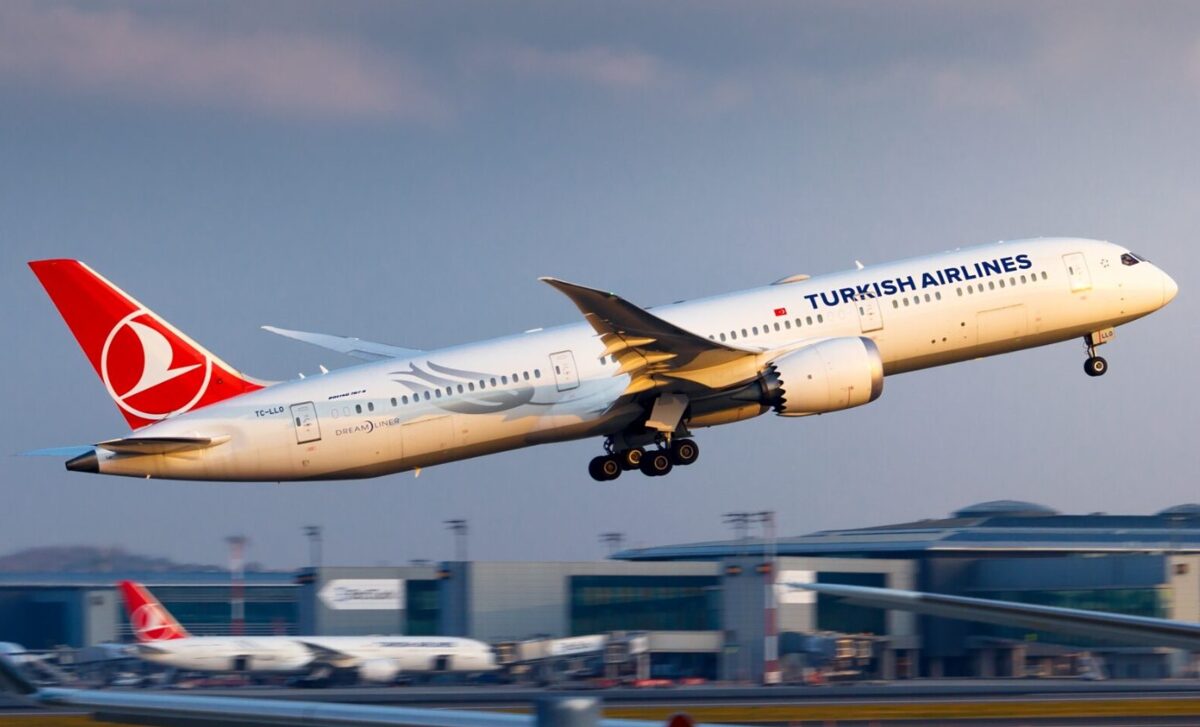
Flying from Melbourne to Istanbul is no quick trip, but for many Aussies, it’s worth it. Between the stunning architecture, rich history, and drool-worthy food in Istanbul, the long journey feels more like a stepping stone than a hurdle.
But how long does it take? And what are your options if you’d rather not be stuck in a plane seat for 20+ hours straight? Let’s break it down.
How Long Does the Flight Take?
On average, the total travel time from Melbourne to Istanbul is around 19 to 24 hours. That includes stopovers, of course. The exact time depends on your airline, the route you take, and how long you’re stuck waiting during layovers.
There are no direct flights every single day, so most travellers end up with one or two stops. Even the fastest routes involve at least one layover unless you time it just right with Turkish Airlines on select days.
If you’re lucky enough to get on a direct flight, you’re looking at about 17 hours in the air. That’s still a long time, but it saves you the extra waiting around at some random airport in the middle of the night.
Most Common Stopover Cities
Some can be short and sweet, while others feel like you’ve moved into the airport permanently. That’s why knowing your options is key.
Here are the usual suspects when it comes to stopovers on this route:
Dubai (DXB): Emirates is big on this route. Their layovers are usually pretty smooth, and the airport is huge — like shopping mall huge. It’s clean, busy, and even has a few spots to nap if you’re desperate.
Doha (DOH): Qatar Airways often stops here. The airport is modern and fancy, and the layovers aren’t too painful. Some even say it’s better than Dubai for comfort and service.
Singapore (SIN): A bit out of the way, but Singapore’s Changi Airport is often voted the best in the world. If you have a long stop here, it’s a decent place to stretch your legs, grab a bite, or watch a free movie.
Abu Dhabi (AUH): Etihad uses this as their hub. The airport isn’t as big as Dubai’s or Doha’s, but it still has all the basics — food, lounges, and quiet spots to rest.
Bangkok (BKK): A few airlines go through here. It’s not as popular for this route anymore, but some travellers still find good deals passing through Bangkok.
Choosing Your Stopover Wisely
The best stopover depends on what kind of traveller you are.
Hate flying and need to break it up with a solid rest? Look for longer layovers with comfy lounge options.
Want to get there as fast as possible? Go for a quick connection — just make sure it’s not so tight that you miss your next flight if there's a delay.
If you're travelling with kids or aren’t a fan of long hauls, splitting the trip into two parts with a longer stop might help. Some even plan a day or two in the stopover city — kind of like a bonus mini holiday.
Melbourne to Istanbul Flights are often built around these stopover options. And with so many airlines competing for long-haul travellers, the choices are better than ever. Whether you go with Qatar, Emirates, or Turkish Airlines, chances are you’ll have at least a few solid route options to pick from.
Most booking platforms now let you filter by stopover city or total duration. Use that! It can save you from a nightmare connection or a 12-hour wait in an airport with no Wi-Fi.
A Few Handy Tips Before You Book
Compare total travel time, not just flight time. That 19-hour flight might look great until you realise it includes a 7-hour stop in the middle of the night.
Watch out for budget traps. Sometimes, a cheaper ticket means a massive layover in a less-than-ideal airport.
Check if the airline offers a free hotel stay. Some, like Qatar Airways and Turkish Airlines, offer free stopover accommodation if your layover is long enough. Not bad!
Pack a change of clothes in your carry-on. If your stopover is long or your bags get delayed, you’ll thank yourself.
Final Thoughts
Flying from Melbourne to Istanbul isn’t a quick hop — it’s a long journey, sure, but with the right stopover and a little planning, it doesn’t have to be painful.
Whether you want to power through with a short connection or take it easy with a longer break, there’s an option that’ll suit your style.
So do your homework, pick the route that fits your travel vibe, and get ready for the adventure ahead. Istanbul will be waiting with a warm simit and a strong cup of Turkish tea.
What Are the Best Travel Seasons for Flights from Brisbane to Mumbai?

Planning a trip from Brisbane to Mumbai? If you're wondering when to book your flights for the best deals and experience, you're not alone! Understanding the ideal travel seasons can make a big difference in both the cost and comfort of your journey.
Let’s break down the best times to catch a Brisbane to Mumbai flight and what you can expect during each season.
Peak Season: December to March – Best for Comfortable Weather and Festivities
If you’re after perfect weather and the buzz of Indian festivals, then the period from December to March is considered peak season. During these months, Mumbai’s weather is at its most pleasant. The city sees mild temperatures, ranging from 25°C to 32°C, which makes sightseeing and outdoor activities much more enjoyable.
However, flights during this time can get pricier. If you’re after a flight from Brisbane to Mumbai, be prepared to book a little earlier to avoid the steepest prices. The holiday period around Christmas and New Year's sees the highest prices, so planning is crucial to snag the best deals.
Off-Season: June to September – For Budget Travellers and Rain Lovers
If you're keen on saving some cash and don't mind a bit of rain, then travelling between June and September could be your best bet. This is Mumbai's monsoon season, so the city sees heavy rainfall. While it’s not the best time for sightseeing, it’s a great season for those who enjoy quieter cities and cheaper flights.
Flights from Brisbane to Mumbai are usually at their most affordable during these months. With fewer tourists, you can find some real Brisbane to Mumbai flight deals. Just make sure you pack an umbrella and prepare for the occasional downpour. The upside? You'll avoid the massive crowds and long queues at tourist spots!
Shoulder Season: April to May & October to November – Sweet Spot for Balance
The shoulder seasons of April to May and October to November offer a happy middle ground. The weather is still fairly comfortable, though you might experience some heat, especially in April and May. Temperatures can rise above 35°C, so if you're not used to the heat, it’s something to consider.
These months also see fewer tourists, which means less crowded flights and accommodations. If you want to strike a balance between a good price and decent weather, this is the time to book your travel from Brisbane to Mumbai. It’s not as busy as the peak season but still provides a pleasant experience for your trip.
Booking Tips to Get the Best Deals
Book Early: The earlier you book, the better the chances of securing a good deal, especially if you're flying during the peak season.
Flexibility Helps: If you're flexible with your travel dates, you can usually find cheaper flights. Flying on weekdays rather than weekends can also help cut costs.
Look for Promotions: Many airlines offer sales and special promotions during shoulder seasons. Keep an eye out for offers on flights from Brisbane to Mumbai.
Final Thoughts
The best time to book your Brisbane to Mumbai flight depends on what you’re looking for in your trip. If you're after the perfect weather and the excitement of festivals, December to March is the way to go. But if you're looking to save money, June to September’s off-season offers the most budget-friendly options.
So, no matter when you decide to book your flight, make sure to plan and compare prices. After all, finding the best time for your flight from Brisbane to Mumbai can be just as rewarding as the trip itself!